
Why Video Upscaling Is Essential for Modern Streaming Platforms
NovaEchoMedia Editorial
1 min read
Introduction
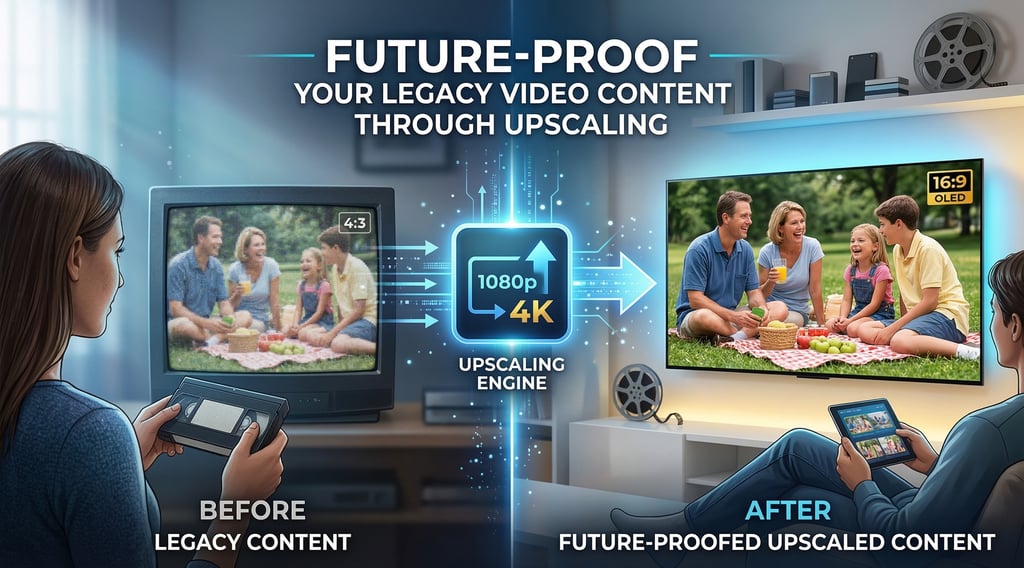
Streaming platforms have changed how audiences consume media. With millions of viewers watching content on high-resolution displays, there is increasing demand for high-quality visuals. However, much of the world’s existing video content was originally produced in lower resolutions.
Video upscaling technology helps bridge this gap.
What Is Video Upscaling?
Video upscaling is the process of converting lower-resolution footage into higher-resolution formats such as 4K or 8K.
Traditional upscaling methods simply stretched pixels, which often resulted in blurry images. Modern AI-powered upscaling techniques use machine learning algorithms to rebuild details and improve clarity.
Why Streaming Platforms Need Upscaling
Streaming services host large libraries of older movies and television shows. Many of these titles were produced before high-definition formats became standard.
By using advanced upscaling techniques, streaming platforms can upgrade legacy content to match modern display standards.
This improves viewer experience and extends the lifespan of older media assets.
AI Upscaling Technology
AI upscaling systems analyze textures, edges, and patterns within video frames to generate new details. This approach produces more natural results compared to traditional scaling techniques.
AI tools can also reduce noise, stabilize footage, and improve color balance.
Benefits for Content Creators
Video upscaling is not limited to large studios. Independent filmmakers and content creators can also use these technologies to improve older footage or repurpose archived material.
Conclusion
As display technology continues to evolve, video upscaling will remain a critical tool for media companies looking to deliver high-quality content across multiple platforms.
Connect
Expert post-production for stunning visuals.
Contact
Join Our Newsletter
vikas@novaechomedia.com
+91-79774 48456
© 2025. All rights reserved.